Kids don’t always show interest in subjects like geology, fossils, or Earth’s history when they’re young. The good news is that Earth science becomes much more engaging when kids can explore it through stories, outdoor discovery, and hands-on activities. Dinosaurs, rocks, and natural landscapes all provide easy entry points that make big scientific ideas easier to understand.
If you’ve been wondering how to teach kids about earth science, the key often lies in turning everyday curiosity into small learning adventures.
Start With Dinosaurs and Prehistoric Life
Dinosaurs often spark a child’s first real interest in Earth science. Instead of stopping at toy dinosaurs or movie characters, use that interest to introduce the timeline of life on Earth. Talk about how scientists divide prehistoric history into different periods and how fossils help researchers understand ancient ecosystems.
You can make this more fun by encouraging your kids to decide whether the Jurassic or Cretaceous period had the coolest dinosaurs; explore when the coolest species, T. rex, Velociraptor, and Triceratops lived. This activity shows kids that not all dinosaurs existed at the same time. For example, Tyrannosaurus rex and Triceratops lived during the late Cretaceous period, while many long-necked sauropods thrived earlier during the Jurassic.
Turn Your Backyard Into a Science Lab
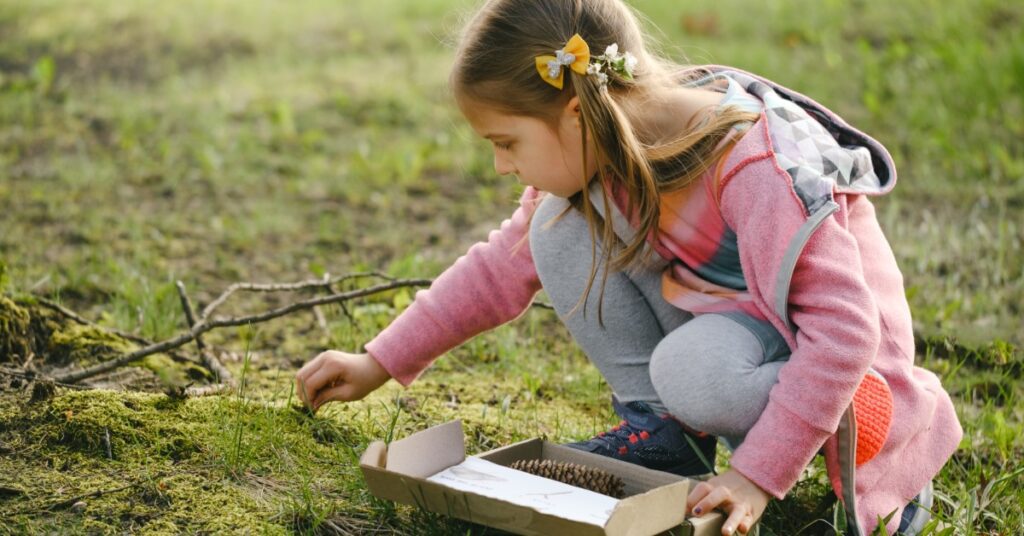
You don’t need a museum to start exploring Earth science. Local parks, trails, and even your backyard offer plenty of opportunities for discovery. Encourage kids to examine rocks, soil, and landscapes while asking simple questions about how they formed.
Hands-on exploration helps kids connect scientific ideas to real places they see every day. Try some of the following activities with your child:
- Collecting and sorting rocks by color or texture
- Looking for fossils or shell imprints in local stone
- Observing how rainwater moves through the soil after a storm
- Drawing simple maps of hills, streams, or rock formations
- Comparing different types of soil in your yard
Use Visual Tools and Timelines
Parents looking for how to teach kids about earth science often find that visuals make complex ideas easier to understand. A simple timeline of Earth’s history helps kids grasp just how long dinosaurs and other ancient animals lived before humans appeared.
Create a visual timeline with your child using paper, markers, or printable charts. Mark major events such as the formation of Earth, the rise of dinosaurs, and the extinction event that ended their reign. Seeing the scale of time makes prehistoric life far more meaningful than memorizing dates.
Keep Learning Fun
Parents don’t need perfect lessons or detailed plans to build interest. Focus on exploration, conversation, and activities that make kids excited to learn more.
When kids combine dinosaur curiosity, outdoor exploration, and visual learning, Earth science becomes something they experience rather than memorize. That sense of discovery can turn everyday walks, museum visits, and backyard adventures into the start of a lifelong interest in science.