Fast internet has become a household essential, especially for families juggling work, school, streaming, and smart devices. Understanding timelines for fiber network installs in your neighborhood helps parents plan ahead, manage expectations, and feel less stressed when construction crews roll in.
Fiber internet brings big benefits, but the installation process takes time and follows a clear sequence. Let’s discuss the ideal timelines for fiber network installs in your neighborhood and what this means for life at home.
What Happens Before Installation Starts
Fiber installation begins long before you see trucks on your street. Internet providers first conduct planning, permitting, and neighborhood assessments. Crews study underground utilities, review local regulations, and coordinate with cities or HOAs.
This phase often takes several weeks or even months, depending on approvals and local complexity. Parents should expect quiet progress during this stage, even if announcements already promise faster internet in the future.
Construction Phase and Street Work
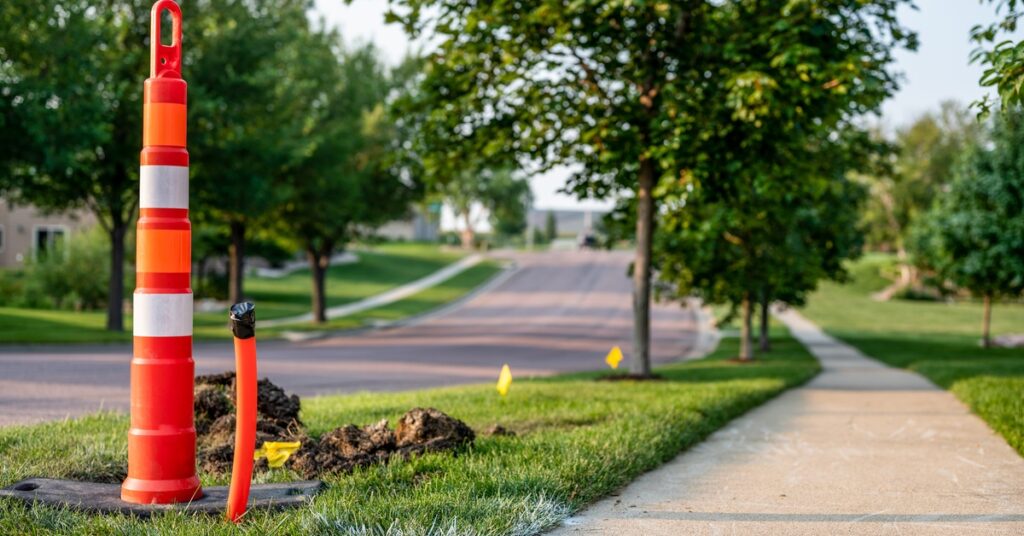
Once permits clear, physical work begins. Crews dig small trenches, install conduit, and prepare pathways for fiber lines. This stage usually lasts a few days to a few weeks per block.
Workers aim to minimize disruption, but families may notice temporary noise, blocked sidewalks, or adjusted parking. Kids often find the machinery exciting, while parents appreciate knowing the mess won’t last forever.
How Long Cable Installation Takes
After crews prepare pathways, technicians install the fiber cable itself. In many neighborhoods, a fiber blowing machine installs cable efficiently, which speeds up the process and reduces digging. This step often moves quickly, sometimes finishing within days.
While it looks technical and messy, the goal is simple: deliver strong, reliable connections to each home without unnecessary delays.
Home Connections and Scheduling
After crews finish neighborhood work, providers schedule individual home connections. This step depends heavily on demand and technician availability. Some families get appointments within weeks, while others wait longer during peak seasons.
Parents should plan for a short appointment window where a technician connects the fiber line, tests speeds, and ensures everything works properly inside the home. To help families stay prepared, keep these tips in mind:
- Watch for provider emails or door hangers with updates.
- Ask neighbors about their installation timelines.
- Clear access points near your home before appointments.
- Plan internet backups for school or workdays.
Why Timelines Vary by Neighborhood
No two neighborhoods share the same timeline. Older areas may require extra utility coordination, while new developments often move faster. Weather, staffing, and local regulations also influence progress. Families with busy schedules benefit from flexibility and patience, especially during school months when reliable internet matters most.
What Parents Should Expect Overall
From early planning to final home activation, timelines for fiber network installs in your neighborhood often span several months. The wait can feel long, but the payoff delivers faster speeds, smoother video calls, and fewer buffering meltdowns during family movie night. Once fiber arrives, daily routines feel easier and more connected.
Fiber installation may test your patience, but it ultimately supports modern family life. With a little preparation and realistic expectations, parents can navigate the process smoothly and enjoy the long-term benefits that fiber internet brings to busy households.