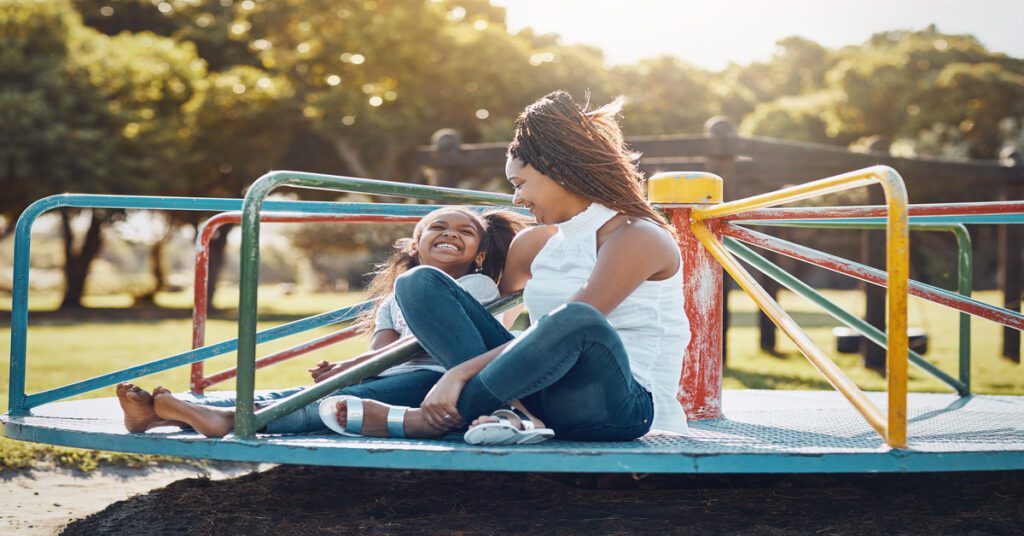
Playgrounds feel like the ultimate parenting win. Kids burn energy, you get fresh air, and everyone leaves a little happier. Still, even the nicest parks can hide small dangers that cause big problems.
The hidden playground hazards parents should watch for often appear in places most adults ignore, such as worn ground cover, loose borders, or equipment that looks fine from a distance. A quick safety check before your child runs off can help you avoid injuries, tears, and a trip home way earlier than planned.
Everyday Equipment That Hides Real Risks
Bright slides, climbing walls, and swings are playground favorites, but hidden dangers like worn surfaces and loose hardware can quickly lead to injuries. Rusty chains can pinch little fingers, and cracked plastic might leave sharp edges. Even faded safety signs are critical, as they can cause parents to miss age or weight restrictions.
While a quick glance around is helpful, nothing beats active supervision. Take a walk around the playground with your child before they start playing, and show them which areas are safe. Keep an eye out for gaps in railings, shaky ladders, and damaged swing seats. Small problems can easily become painful accidents if overlooked.
Ground Surfaces and Drainage Issues
The ground beneath playground equipment deserves just as much attention as the structures above it. Hard-packed dirt, thinning mulch, or uneven rubber mats increase the risk of falls. After heavy rain, standing water creates slick spots that lead to slips.
Parents often overlook how playground borders influence drainage and erosion, yet poor drainage washes away protective surfacing over time. Check for exposed concrete or tree roots near high-traffic areas. Encourage children to avoid muddy sections and report unsafe surfaces to park staff when possible.
Weather and Seasonal Damage
Sun, rain, and changing temperatures all take a toll on playground equipment. Metal slides and bars can get hot enough to burn in the summer sun, while wooden structures may splinter as they get wet and dry out over time. In colder months, plastic parts can become brittle and crack more easily.
Parents need to keep an eye out for these seasonal changes. Before your child plays, touch the equipment to check for heat or rough spots. Look for signs of damage, such as peeling paint, warped boards, or loose bolts, especially after storms. Staying aware of the weather and its impact helps keep outdoor play safe and fun.
Crowding, Layout, and Line-of-Sight Concerns
Busy playgrounds are full of energy and excitement, but they can also be risky when they get too crowded. A cramped layout can push kids of different ages into the same space, increasing the likelihood of bumps and collisions. If you can’t see your child because of blocked sightlines, it’s harder to step in quickly when needed.
Try to pick play areas where toddler spaces are separate from equipment for older kids. Stand where you can keep an eye on entrances, exits, and climbing spots. Many hidden playground hazards parents should watch for come from how people use the space, not just the equipment itself. Being thoughtful about where you stand and staying aware can make playtime safer and more fun for everyone.