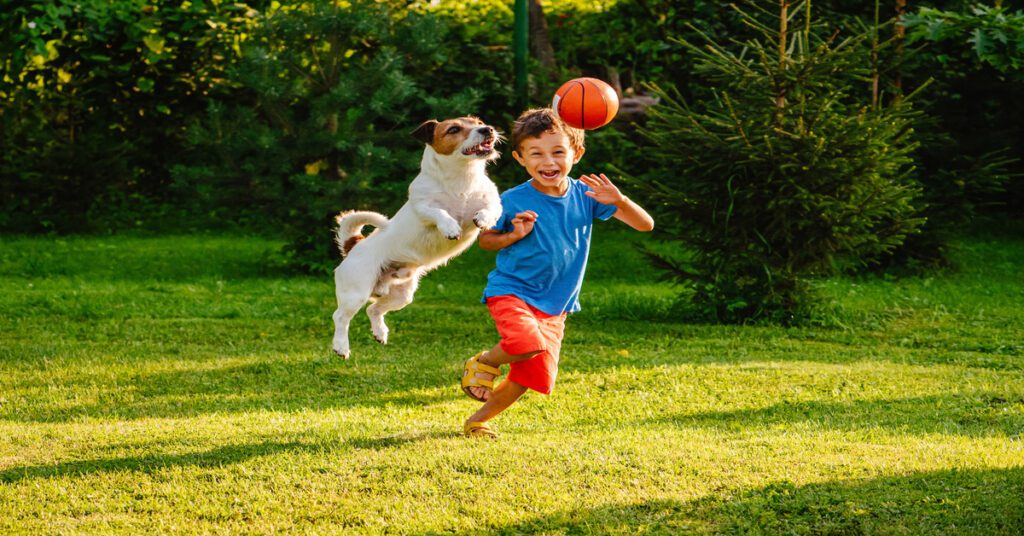
Warmer weather in Pennsylvania means backyard barbecues, sprinkler runs, and plenty of outdoor playtime. It can also mean the occasional snake sighting. While most snakes in the commonwealth are harmless and even beneficial to the ecosystem, you want a yard that feels safe for kids and pets. The good news is that a few practical changes can go a long way in making your yard less attractive to snakes.
What Attracts Snakes?
Snakes aren’t wandering through your yard looking for trouble. They’re typically after three things: food, shelter, and moisture.
Snakes typically eat rodents, insects, and frogs. They shelter in tall grass, woodpiles, and rock walls. They’re also drawn to water sources, such as backyard ponds, dripping spigots, or any consistently damp spots around the yard.
Tidy Up the Landscaping
One of the simplest snake prevention tips is also one of the most effective: keep vegetation trimmed. Low, well-maintained landscaping eliminates many of the cool, shaded hiding spots snakes prefer.
To keep your yard tidy, you should:
- Mow grass regularly.
- Trim back dense shrubs.
- Remove leaf piles and brush.
- Store firewood off the ground and away from the house.
Cut Off the Food Supply
If mice and other small rodents find your yard comfortable, snakes may see it as an easy hunting ground. Make sure trash bins have tight-fitting lids, store birdseed in sealed containers, and avoid leaving pet food outside overnight. You can also seal cracks in foundations, garages, and sheds to prevent rodents from setting up camp close to your home.
It’s also helpful to reduce insect populations that attract frogs and other small prey. Keep compost bins covered, remove fallen fruit from trees, and eliminate standing water where bugs breed.
Use Reliable Snake Traps
Many homeowners turn to store-bought repellents or scent-based solutions. However, scents and attractants don’t work on snakes because these animals rely primarily on their Jacobson’s organ (a chemical-sensing system) rather than responding to odors the way mammals do.
If you need to remove snakes, you can place a trap along travel paths like fence lines, shed walls, or garage edges. Most snake traps rely on strong adhesive surfaces or enclosed designs that contain the snake once it enters, without using chemicals or poisons. If you want to release the snake elsewhere, you can pour vegetable oil onto the snake to dissolve the glue, depending on the trap.
Create Clear Play Zones
If you have young children, designate well-maintained areas for outdoor play. Keep swing sets and sandboxes in open, visible spaces.
Consider adding a gravel or mulch border around play structures, as snakes are less likely to cross exposed, vibration-prone surfaces. For rural or wooded properties, snake-exclusion fencing can provide an added layer of protection.
Most Pennsylvania snakes are nonvenomous and play an important role in controlling pests. By clearing the landscape, limiting the availability of prey, and using effective traps, you can make your yard less attractive to snakes. Use these tips to make your space more comfortable and enjoyable for your family.