Nature offers children a source of wonder, calm, and lifelong curiosity. Children thrive when adults model attentive observation and thoughtful care for living things. Small, consistent actions shape attitudes more effectively than occasional grand events.
Learning how to foster nature appreciation for kids at home can help your family adopt nature appreciation in your living space. Each approach builds knowledge, responsibility, and joy through direct experience.
Create a Backyard Habitat
A backyard habitat invites children to observe wildlife within familiar surroundings. Native plants attract birds, butterflies, and beneficial insects throughout the year. Children gain patience as they watch subtle changes unfold daily.
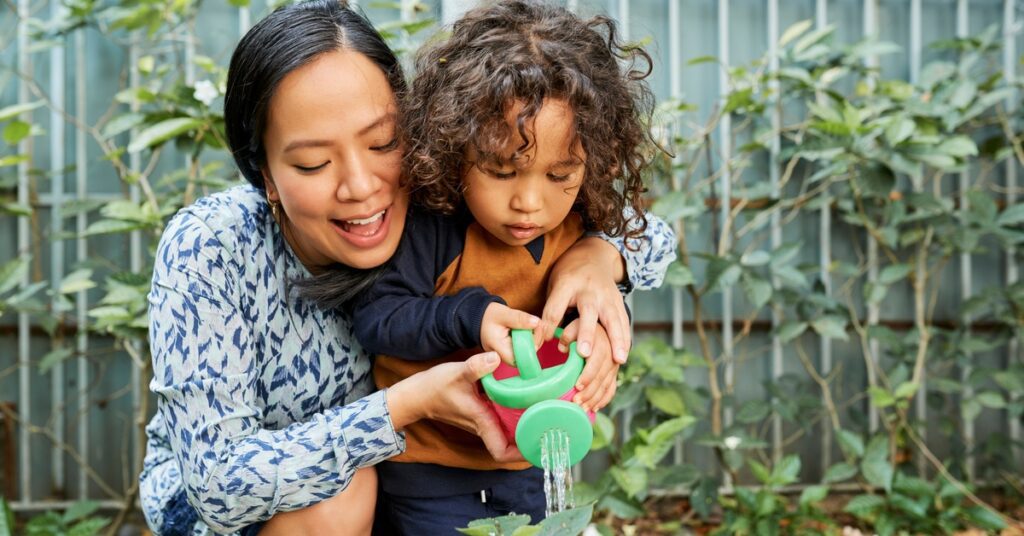
Parents can involve children in planting shrubs, flowers, and small trees. Assign simple tasks that match each child’s age and ability. Responsibility for watering and care fosters pride and steady commitment.
Start a Family Garden
A family garden offers hands-on contact with soil and seeds. Children learn that food does not originate from store shelves. They witness growth cycles through direct participation in planting and harvest.
Choose vegetables and herbs suited to the local climate and space. Let children select certain plants to encourage personal investment. Shared harvest meals reinforce gratitude for nature’s generous provisions.
Build a Small Pond
A small pond introduces aquatic ecosystems into a home landscape, making it easier to grow a natural ecosystem. Children can observe insects, frogs, and water plants closely. This feature transforms an ordinary yard into a lively habitat.
Involve children in design, maintenance, and safety discussions from the start. Exploring which are the best fish species for small outdoor pondswill help you create a balanced habitat that supports healthy water life. Such collaboration deepens respect for aquatic species and environmental balance.
Establish Outdoor Chores
Outdoor chores teach responsibility and respect for shared spaces. Tasks such as raking, planting, or sweeping patios build work ethic. Children learn that caring for the land requires steady effort.
Rotate responsibilities to expose children to diverse tasks. Offer praise for diligence and improvement rather than perfection. These routines foster accountability and long-term environmental awareness.
Teach Seasonal Awareness
Seasonal awareness sharpens observation skills and appreciation for change. Create a family calendar that notes first blooms or migrating birds. Children begin to anticipate shifts in weather and daylight.
Discuss how temperature and rainfall affect local plants and animals. Compare current conditions with previous years to identify patterns. This knowledge cultivates respect for natural rhythms and cycles.
Fostering nature appreciation at home for children does not demand elaborate resources or distant travel. It requires attention, consistency, and genuine enthusiasm for the living world. Small daily practices accumulate into powerful lessons about respect and interdependence.
When families plant gardens, observe wildlife, and nurture habitats, children absorb values through action. They learn that humans share responsibility for protecting ecosystems and conserving resources. These early experiences shape attitudes that extend into adulthood.